Physiotherapy for Pet Health
Dec 3, 2025
The Importance of Physiotherapy in Pet Health – A Gentle Path to Healing
By Dr. Bharti Sharma, Veterinary Physical Rehabilitation Expert
When we hear the word physiotherapy, most of us think of humans recovering after an injury or surgery. But our pets need it just as much as we do.
From senior dogs with stiff joints to cats recovering from a fall, or active pets prone to sprains and strains – physiotherapy can help them move better, feel better, and heal better.
What Is Veterinary Physiotherapy?
Veterinary physiotherapy is a science-based, hands-on therapy that supports:
• Mobility – helping pets walk, climb and move more comfortably
• Pain relief – easing discomfort from injuries or long-term conditions
• Recovery – after fractures, surgeries or ligament tears
• Strength and balance – so pets can stay active and independent
It may include gentle exercises, stretches, massage, and sometimes tools like hydrotherapy or laser therapy, always done under professional guidance.
In simple words, it’s about helping pets’ bodies work better, without relying only on medicines.
Arthritis & Joint Pain: A Common Problem
One of the most common reasons pets need physiotherapy is arthritis and joint pain.
It is especially seen in:
• Older pets whose joints are wearing out
• Pets with previous injuries or surgeries
• Pets who are overweight, putting extra strain on their joints
Typical signs include:
• Stiffness after resting
• Limping or favouring one leg
• Slower walks or refusing longer walks
• Difficulty climbing stairs or jumping onto the bed/sofa
Many pet parents think this is just “old age,” but often it’s real pain that can be managed and improved.
How Physiotherapy Helps These Pets
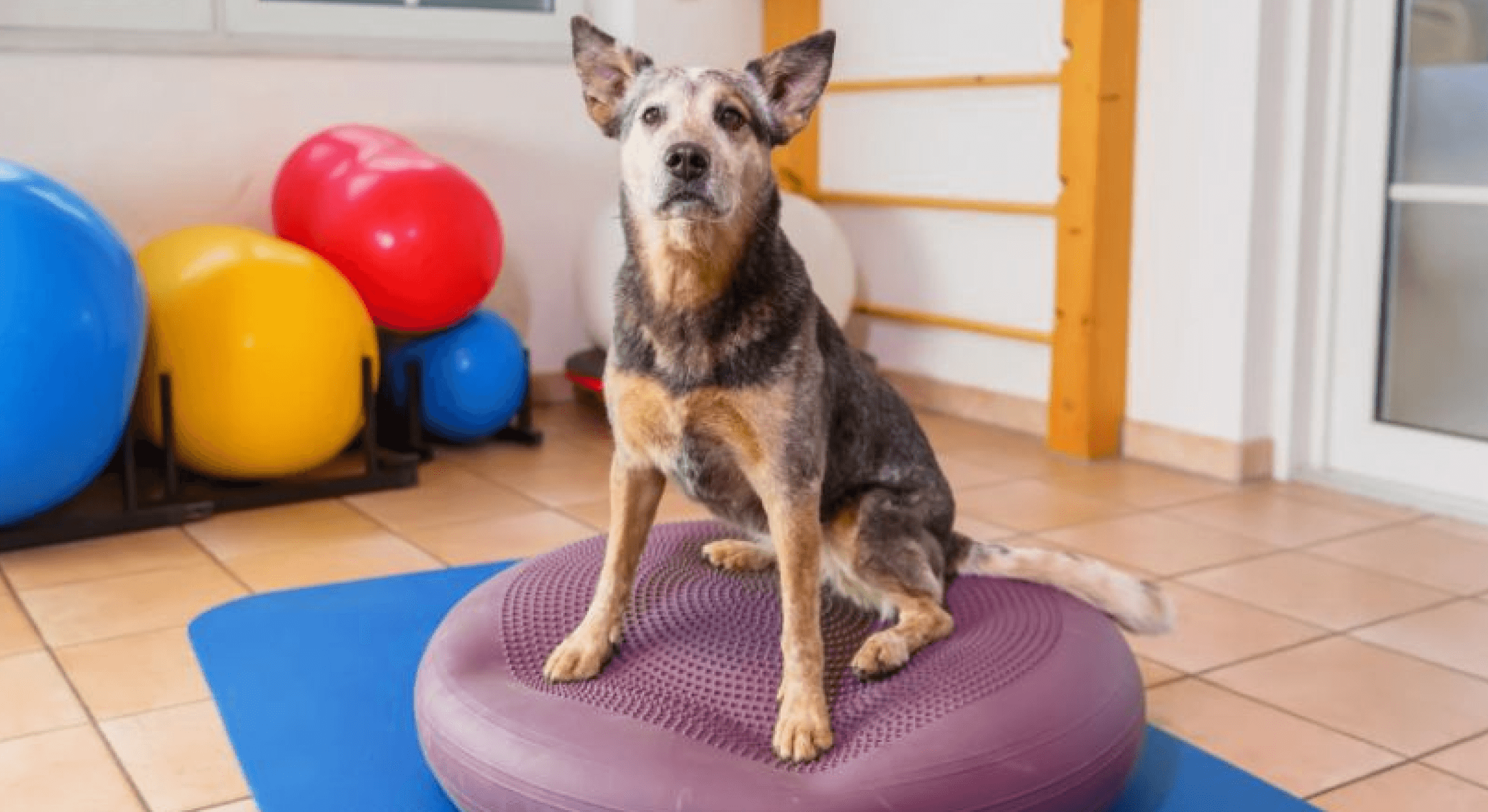
For pets with arthritis or joint issues, physiotherapy focuses on:
• Strengthening muscles around painful joints so they’re better supported
• Improving flexibility and range of motion
• Reducing stiffness with controlled movement and gentle techniques
• Improving balance and coordination so they can move confidently
Along with therapy, a few simple lifestyle changes can make daily life easier:
• Orthopedic beds that cushion and support their joints
• Ramps instead of forcing them to jump into the car or onto furniture
• Keeping them at a healthy weight to reduce pressure on painful joints
Together, these steps can help a pet go from struggling to move, to being comfortable and active within their limits.
A Gentle Nudge Back to Strength
Physiotherapy isn’t about pushing a pet to do more than they can. It’s a gentle, patient process.
For pets who are:
• Recovering from an injury or surgery
• slowing down due to age and pain
physiotherapy can be that careful, guided nudge that helps them regain strength, confidence, and comfort.
The goal is not to turn them into athletes – it’s to help them enjoy their normal life again:
walking without struggling, climbing their favourite spot, playing a little, and moving without constant pain.
When Should You Consider Physiotherapy?
You may want to ask your vet or a veterinary physiotherapist about rehab if you notice:
• Limping or odd walking patterns
• Difficulty getting up, lying down, or using stairs
• Stiffness after sleep or rest
• Sudden drop in activity or playfulness
• Recovery after fractures, ligament injuries or orthopedic surgery
The earlier you address these signs, the more comfortable and mobile your pet can remain.
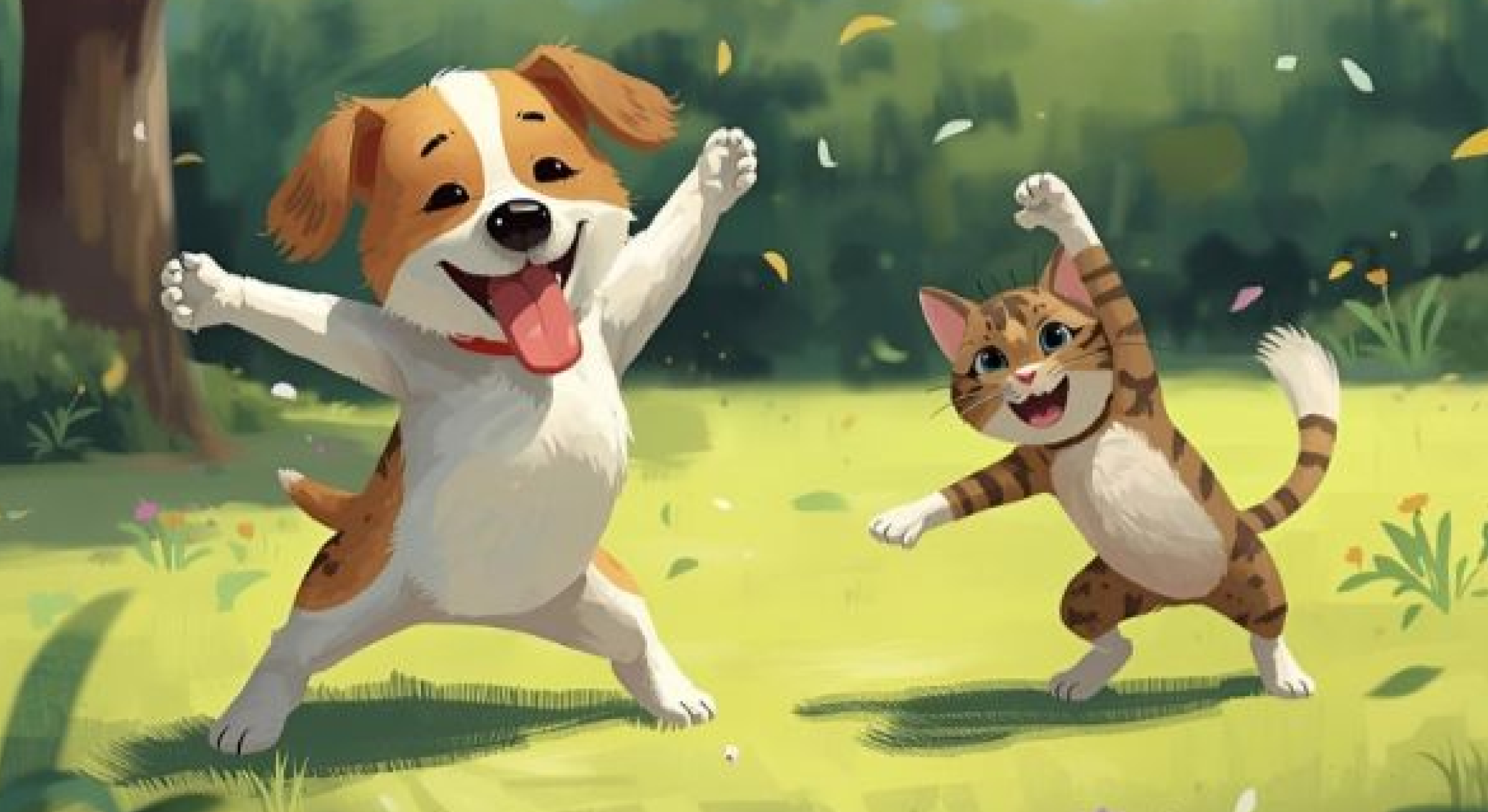
The Heart of It All
Physiotherapy combines medical knowledge with kindness and patience.
It looks at your pet as a whole – not just a sore leg or a stiff back – and supports the body’s natural ability to heal and adapt.
For many pets, it becomes the difference between simply “managing somehow” and truly living well again.
If your pet is slowing down, seems stiff, or is recovering from an injury, physiotherapy might be the gentle path they need to find their strength again.