
Common Illness in Pets
Dec 11, 2025
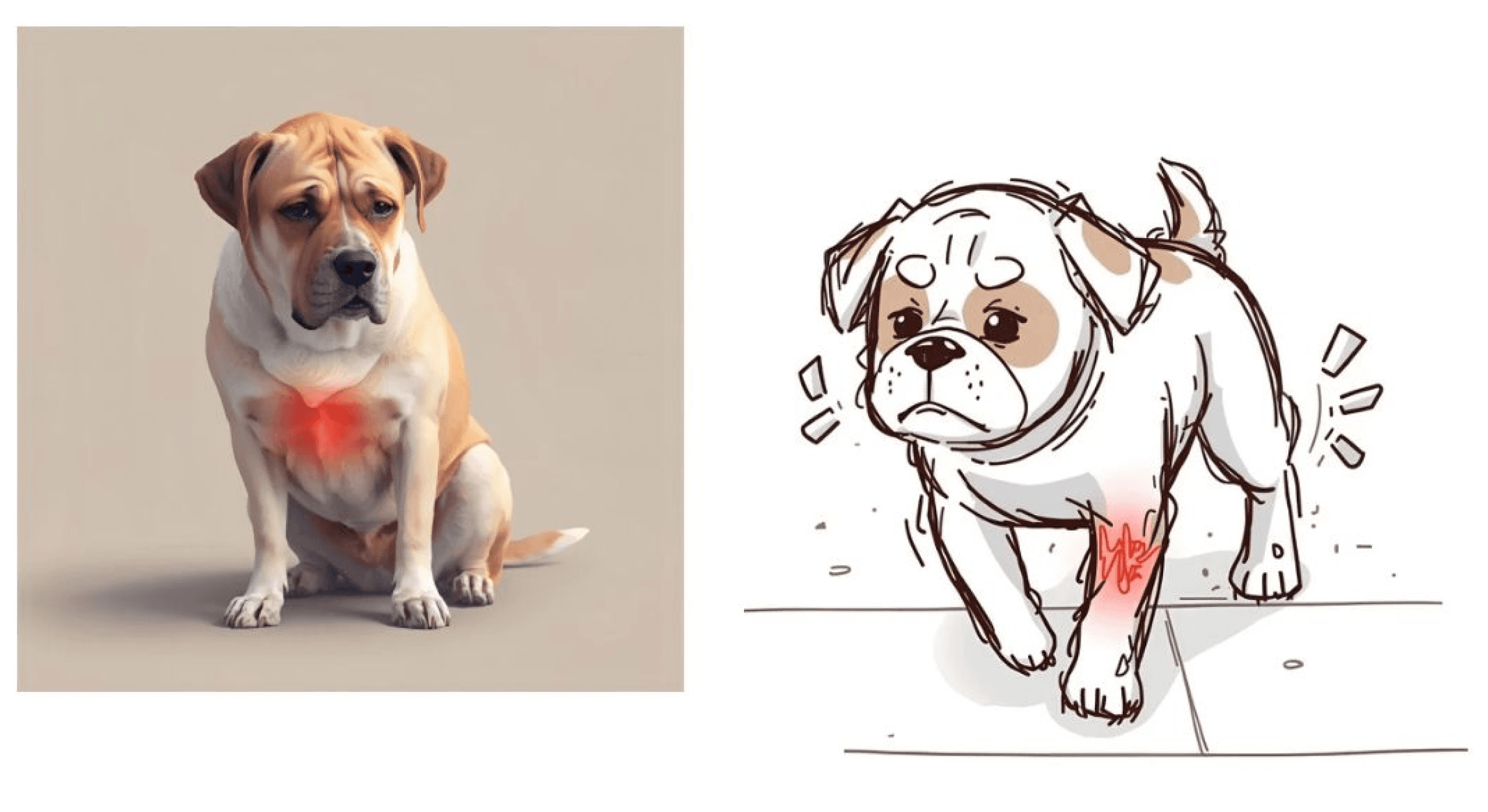
Common Illness Signs to not ignore in Pets
Pets don’t always show pain clearly—so noticing small behaviour or body changes can prevent bigger health issues later. Here are four signs that likely need attention and is your pet’s way of showing that “something is wrong”
Constant Itching or Licking
Persistent scratching or licking usually points to irritation from allergies, parasites or infections. Over time, this damages the skin and lowers immunity.
What it can lead to: chronic skin wounds, infections, and long-term discomfort
Why it’s serious: untreated skin issues often get worse
Pet-parent tip: check paws, ears and belly weekly for redness or flakes
Sudden Eating or Drinking Changes
A sudden drop or increase in food or water intake may indicate kidney disease, diabetes or stomach infections (unless it’s because of change of weather or season). Pets rarely refuse food unless something feels wrong.
What it can lead to: dehydration, organ stress, or sudden weakness
Why it’s serious: internal disease progresses quickly
Pet-parent tip: if eating changes for more than 24 hrs, call your vet
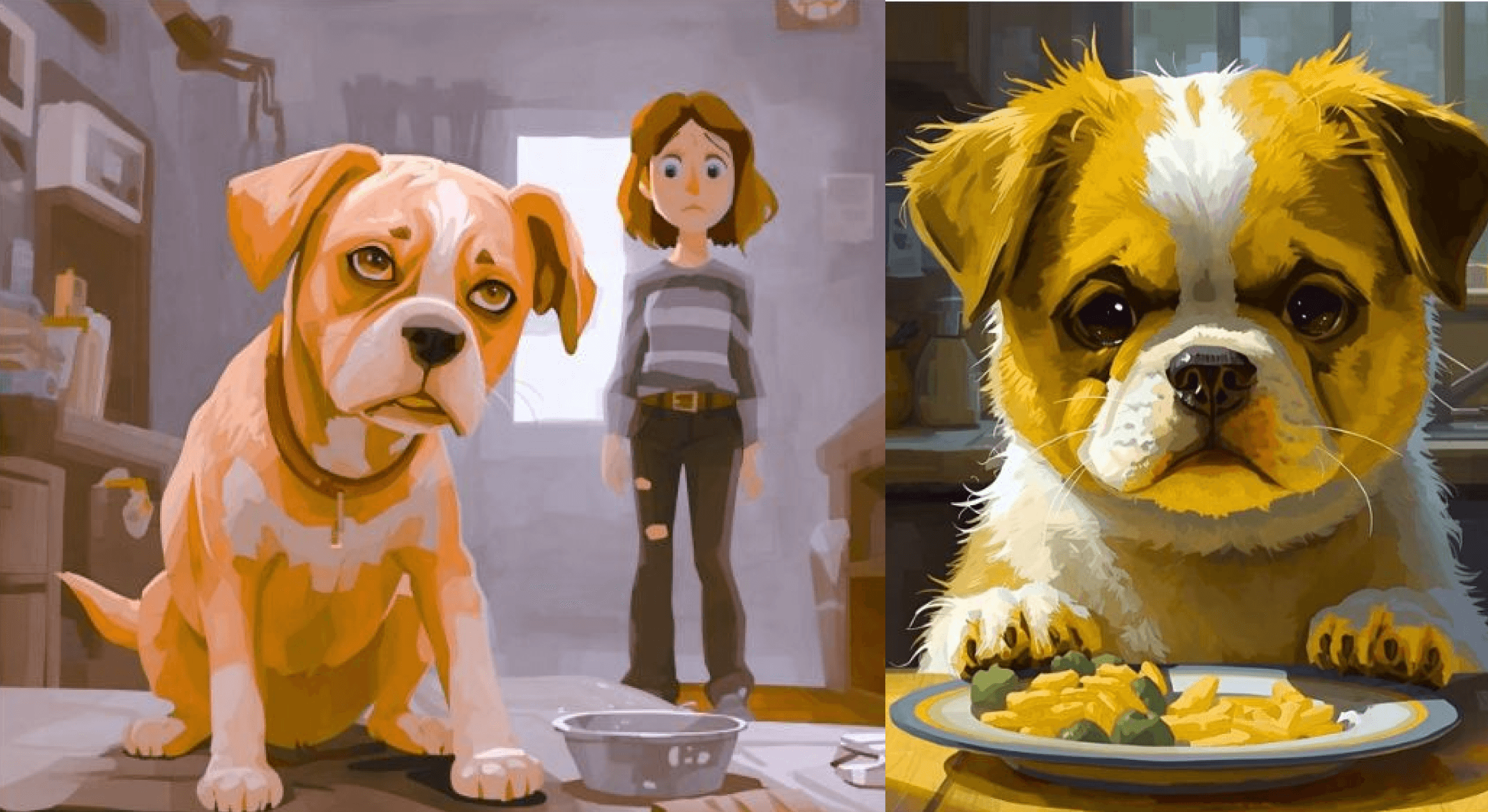
Stiffness or Difficulty Moving
Hesitation to jump, limping or stiffness after resting often signals joint pain, arthritis or spinal issues. Mobility problems rarely improve without attention.
What it can lead to: chronic pain, reduced activity and muscle loss
Why it’s serious: affects long-term quality of life
Pet-parent tip: notice how they move right after waking up
Repeated Vomiting or Diarrhoea
Frequent vomiting, loose stools or gagging may suggest infection, toxins or digestive trouble. Young pets get dehydrated especially fast. Watch out for blood in vomit or in stool.
What it can lead to: dehydration, nutrient loss, and emergency conditions
Why it’s serious: symptoms can escalate within hours
Pet-parent tip: if vomiting or diarrhoea continues beyond 24 hours, don’t wait
A simple guideline
If your pet suddenly behaves differently or looks uncomfortable—trust your instinct! Early checks protect your pet and avoid long, difficult treatments later.
Early action = safer recovery